
Examining Retention Metrics Following Onboarding Incentives in Digital Wagering Platforms
Virtual betting communities have shown distinct patterns where initial reward packages correlate with measurable shifts in user activity levels, login frequency, and deposit behaviors across multiple platforms. Data from industry tracking services indicate that participants who receive starter incentives such as matched deposits or free credit allocations often maintain higher session durations in the first thirty days compared with those entering without such offers. These patterns emerge consistently in environments that operate on blockchain ledgers or centralized servers, with researchers noting variations based on reward size and distribution timing.
Core Metrics Tracked in Community Studies
Analysts collect figures on daily active users, average revenue per participant, and churn rates after the distribution of early incentives, and reports compiled through September 2026 highlight several recurring outcomes. One dataset covering North American and European operators revealed that accounts activated with a no-deposit credit package recorded a 28 percent increase in return visits within the opening week. Another set of observations from Asia-Pacific markets pointed to elevated wager volumes among recipients who claimed tiered reward bundles during their first three sessions.
Observers note that reward structures tied to specific actions, such as completing profile verification or placing an initial stake, tend to produce steadier engagement curves than unconditional grants. Figures released by the Ontario Lottery and Gaming Corporation show that conditional packages reduced early dropout percentages by nearly one-fifth across monitored virtual tables and slots. In contrast, unconditional credits sometimes led to quicker exhaustion followed by reduced activity once the balance reached zero.
Geographic Variations in Response Rates
Regional differences appear when comparing how participants interact with the same reward types. Australian market data gathered by the Australian Institute of Family Studies indicate that users in that jurisdiction respond more strongly to time-limited credits that must be used within forty-eight hours, resulting in concentrated bursts of play followed by sustained logins over the subsequent month. European platforms, meanwhile, report steadier long-term retention when rewards include both monetary and non-monetary elements such as loyalty points that carry forward beyond the initial period.
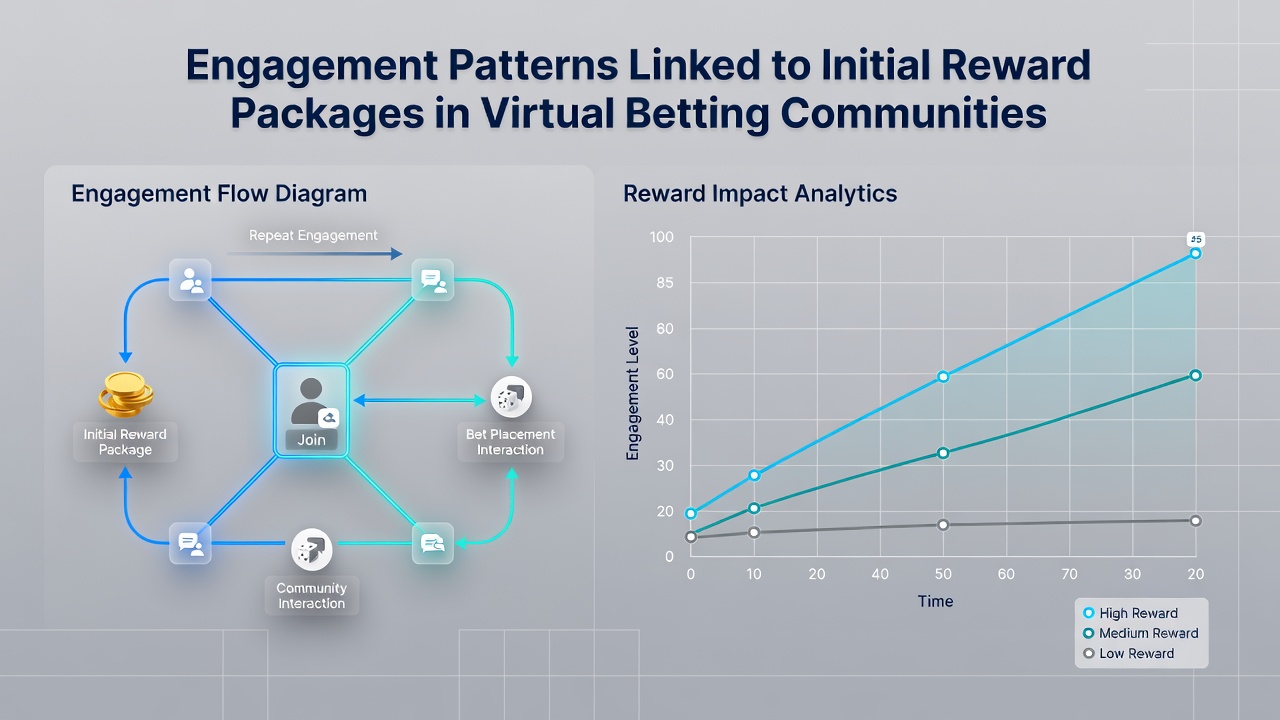
Platforms operating with digital assets display additional layers of complexity because transaction speed and wallet integration influence how quickly participants can access and deploy their incentives. Research compiled by the International Gaming Institute at the University of Nevada found that communities emphasizing instant crypto redemptions recorded higher first-month retention than those requiring traditional banking verification steps. Yet the same study documented that participants who encountered delays in reward delivery showed measurable declines in subsequent engagement metrics.
Behavioral Shifts Over Extended Periods
Longer-term tracking reveals that initial rewards can set the trajectory for multi-month participation when combined with ongoing personalized offers. Data aggregated through September 2026 across several blockchain-enabled sites indicate that players who received graduated reward ladders maintained deposit consistency at rates 15 percent above baseline averages. Those ladders typically began with small entry credits and progressed to larger matching amounts after repeated activity thresholds were met.
Community moderators and platform operators track these progressions through segmented cohorts, comparing groups that started with different incentive values. Patterns suggest that mid-tier packages often strike an effective balance, encouraging exploration without creating expectations that later prove difficult to sustain. High-value starting packages sometimes accelerate early activity yet correlate with sharper drop-offs once the novelty subsides, according to internal platform analytics shared in industry briefings.
Conclusion
Available datasets demonstrate clear linkages between the structure of initial reward packages and subsequent engagement levels in virtual betting communities. Retention rates, session lengths, and deposit patterns shift measurably depending on reward conditions, timing, and regional context. Continued monitoring through 2026 and beyond will likely refine these observations as operators adjust incentive designs in response to accumulated performance indicators.